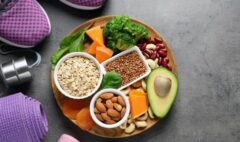
Kiwis, chia seeds and other surprising foods to ease constipation
October 26, 2025 2025-10-26 15:23Kiwis, chia seeds and other surprising foods to ease constipation

Kiwis, chia seeds and other surprising foods to ease constipation
If you haven’t passed a stool at least three times in the past week, you, like millions of other Britons, probably have constipation. While it’s a short-lived problem for some, one in 10 people has chronic constipation that lasts for months or years.
“We know it has a significant impact on patients’ quality of life,” says Dr Eirini Dimidi, a nutritional scientist at King’s College London and the lead author of a study into the evidence-backed foods that can get your bowels moving.
While the key symptom is “having to strain a lot to have a bowel movement”, sufferers also complain of spending a long time in the toilet and having the sense that they have not totally emptied their bowels, she explains. “They can be left feeling very bloated, having painful bowel movements and sometimes they avoid going to the toilet.”
While the NHS advises adding more fibre to your diet to ease constipation and prevent it from occurring in the first place, that recommendation “is not evidence-based”, according to research from Dr Dimidi and her colleagues, who trawled through 75 trials to identify which foods actually ease constipation.
Dr Sammie Gill, a specialist gastroenterology dietitian, has explained exactly why the likes of kiwi fruit, prunes and rye bread will help your stagnant gut.
What causes constipation?
Constipation is most often caused by diet and lifestyle habits, such as not eating enough fibre (found in the likes of fruit, vegetables and wholegrains), not drinking enough water, and being inactive, according to the NHS.
However, it can also be a side effect of medication, or caused by an underlying disease, which is referred to as secondary constipation, Dr Dimidi explains.
It is more common in people over the age of 65 and in pregnant women.
In certain cases, constipation can be a sign of a bigger health problem, such as bowel cancer. “Other conditions that can cause constipation include irritable bowel syndrome, neurological conditions, such as Parkinson’s disease and multiple sclerosis, and diabetes,” Dr Gill notes.
She recommends making an appointment with your GP if you are suffering from constipation and are losing weight unintentionally; notice other unusual changes alongside constipation (for example, in shape or colour); experiencing other symptoms (such as blood in your stool or pain); and if it persists despite trialling diet and lifestyle approaches and over-the-counter medications or supplements (such as psyllium).